The University of Massachusetts Amherst
Robert S. Cox Special Collections & University Archives Research Center
CredoResearch digital collections in Credo

Archive

Knapp, David C.

David C. Knapp Papers
1990-1995.
1 box 1.5 linear feet
Call no.: RG 003/1 K63
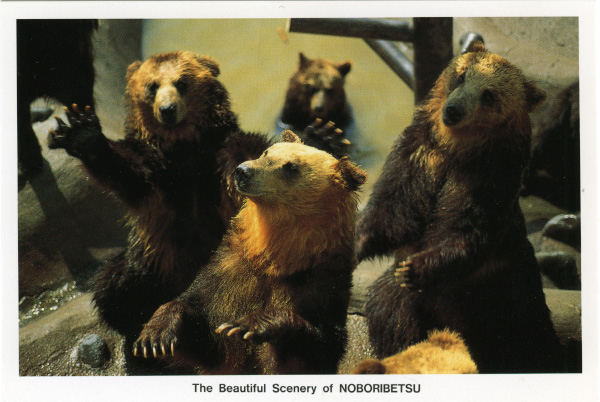
Depiction of Bears
Bears

Born in Syracuse, New York, in 1927, David C. Knapp studied at Syracuse University (BA, 1947) and the University of Chicago (M.A., 1948; PhD, 1953)., before joining the faculty in government at the University of New Hampshire. Recognized as an able administrator from early in his career, Knapp was appointed assistant to the university president and then Dean of the College of Liberal Arts (1961-1962). Leaving UNH in 1963, he served successively as associate director of the Study of American Colleges of Agriculture, director of the Institute of College and University Administrators of the American Council on Education, and Dean of the New York State College of Human Ecology at Cornell University (1968-1974) before being elected president of the University of Massachusetts in 1978. He retired in 1990.

The Knapp Papers consist primarily of materials relating to efforts in the early 1990s to designate Hokkaido and Massachusetts as sister states, to celebrate the long relationship Between UMass and the University of Hokkaido, and to commemorate the legacy of Benjamin Smith Lyman. In addition to correspondence with the Massachusetts Hokkaido Society and Hokkaido University, the collection includes memorabilia associated with Knapp’s connections with Japan.
Gift of David C. Knapp, Dec. 2009

Subjects

Hokkaid¯o DaigakuLyman, Benjamin Smith, 1835-1920University of Massachusetts. President

Contributors

Knapp, David CMassachusetts Hokkaido Society
Knowlton Brothers

Mill River Flood Stereographs

1874
19 items 0.25 linear feet
Call no.: PH 019
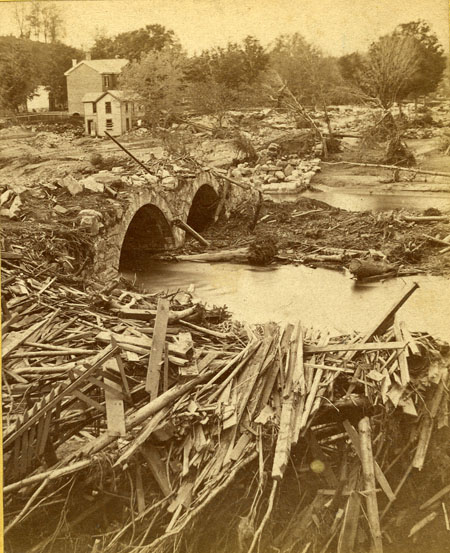
Depiction of Ruins of Stone Bridge, Leeds
Ruins of Stone Bridge, Leeds

The Mill River flood of 1874 was one of the great man-made disasters of late nineteenth century western Massachusetts. Following the collapse of an earthenwork dam on May 16 of that year, 600,000,000 gallons of water coursed through Williamsburgh, Skinnerville, and Leeds, destroying factories and homes, bridges and roads, and leaving 139 deaths in its wake.

The nineteen images in the Mill River Flood collection are a small sampling of a series of 110 stereographs taken by the Knowlton Brothers of Northampton to document the devastation caused by the flood of May 1874. The collection also includes one view taken by F. J. Moore of Westfield, who issued his own series of 21 stereographs, and one by an unidentified photographer.

Gift, 1994

Subjects

Floods--Massachusetts--Mill River Valley (Hampshire County)--PhotographsHaydenville (Mass.)--PhotographsLeeds (Mass.)--PhotographsMill River Valley (Hampshire County, Mass.)--PhotographsSkinnerville (Mass.)--PhotographsWilliamsburgh (Mass.)--Photographs

Contributors

Knowlton BrothersMoore, F. J.

Types of material

PhotographsStereographs
Koogler, Cora P.

Cora P. Koogler Cookbooks

ca.1928
2 vols. 0.2 linear feet
Call no.: MS 959 bd

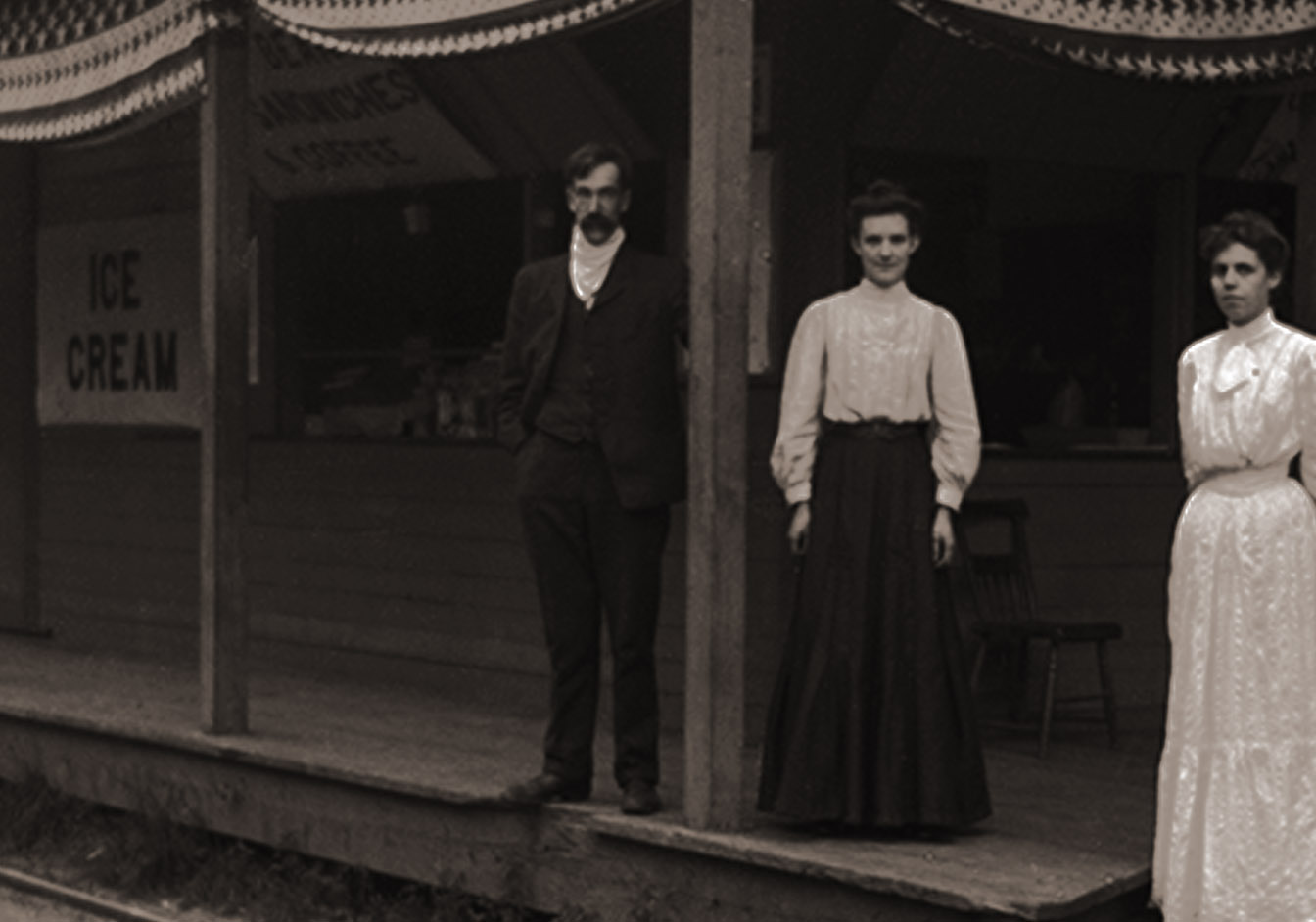
Born in Dayton, Ohio, in about 1885, Cora P. Smith married the grocer James G. Koogler in November 1907. For many year they operated a store in Mad River, near Dayton, raising a son, Ralph. Ralph died in 1955 at age 77, Cora followed in 1964.

These two manuscript cookbooks include dozens of recipes for all parts of the meal, ranging from adventurous dishes such as San Francisco potatoes and cocoanut corn muffins, to the more pedestrian egg cutlets and hamburger on toast, with something of an emphasis on desserts, cakes, and cookies. Koogler cut out recipes from popular publications and promotional pieces by the food industry and pasted them into the volumes, and she inserted other pieces of ephemera as well, including newspaper clippings and a mimeographed sheet on “table manners.”

Gift of Jodie Simpson, 2017

Subjects

Cookery, American

Types of material

Cookbooks
Kramer, Susan

Kramer-Mathews-Gyorgy Collection

1969-1988
1 box 0.25 linear feet
Call no.: PH 080
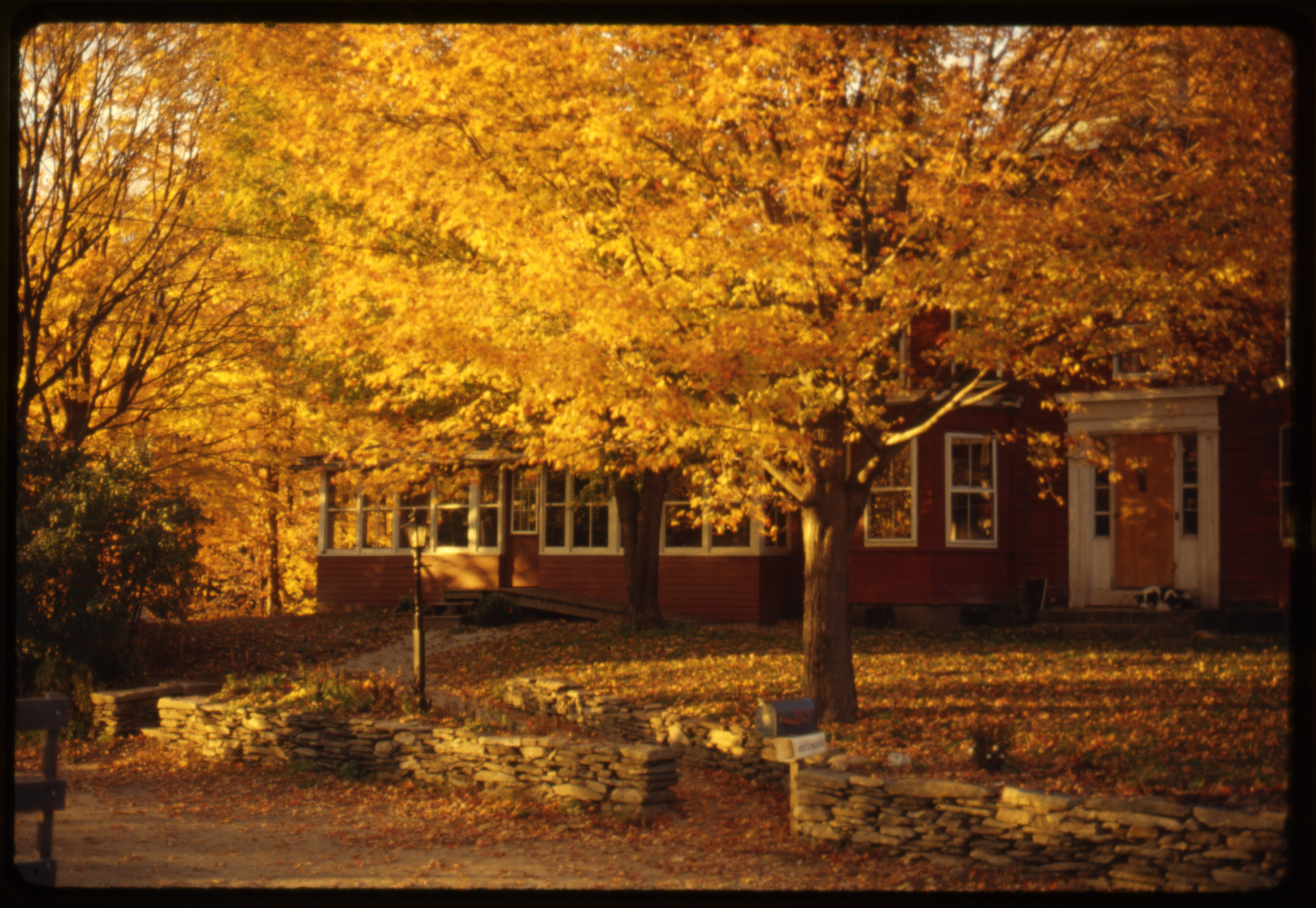
Depiction of The Farm in fall color, Oct. 1980
The Farm in fall color, Oct. 1980

Founded in August 1968 by Marshall Bloom and a group of colleagues from the Liberation News Service. From the outset, the Montague Farm Commune was a center of political and cultural (and countercultural) creatvity. In its first year, it was the headquarters for the Montague branch of the Liberation News Service and Farmers were involved in a range of other causes. Most famously, in 1974, Farmers lit the fuse of the antinuclear movement. Rallying against a proposed nuclear power plant in Montague and Farmer Sam Lovejoy’s act of civil disobedience that felled a weather monitoring tower set up in preparation, the Farmers carried waged a campaign of non-violent direct action that became the hallmark of antinuclear groups across the country. Their actions against the Yankee Rowe and Seabrook (N.H.) power plants were instrumental in dampening further development of nuclear power in the United States. In 2003, the Farm community agreed to sell the Farm property to Zen Peacemakers.

The photographs in this collection were taken by three members of the Montague Farm Commune: early members Anna Gyorgy and Tony Mathews, and Tony’s wife Susan Kramer. The photos depict daily life on the Farm and its residents, primarily in he period between 1978 and 1981, including farm work, sugaring, domestic chores, family and children, holidays, and celebrations, such as May Day. A handful of images, mostly by Mathews, go back to the earliest days of the Farm, and there are later images from the 20th and 25th reunions. Of special notes are over 100 images taken by Kramer during the occupation of the Seabroon Nuclear Power Plant in May 1977, at which 1,414 occupiers were arrested.

Gift of Susan Kramer and Anna Gyorgy. Jan. 2018

Subjects

Antinuclear movement--New Hampshire--PhotographsCommunal living--Massachusetts--Montague--PhotographsDemonstrations--New Hampshire--Seabrook--PhotographsMontague Farm Community--PhotographsOrganic farming--Massachusetts--Montague--PhotographsSeabrook Nuclear Power Plant (N.H.)--Photographs

Contributors

Gyorgy, AnnaMathews, Tony

Types of material

Photographs
Kramsh, Samuel

Samuel Kramsh List of Plants Found in Pennsylvania and North-Carolina : manuscript notebook

1787-1789
1 vol. 0.1 linear feet
Call no.: MS 431

During the last quarter of the eighteenth century, Samuel Kramsh worked as a collector and supplier of native plants for horticulturists and botanists, including Humphry and Moses Marshall and Benjamin Smith Barton.

This manuscript includes an exhaustive record of plant species collected in Pennsylvania and North Carolina during the years 1787-1789.

Acquired, Jan. 1919

Subjects

Botany--North Carolina--18th centuryBotany--Pennsylvania--18th centuryMarshall, Humphry, 1722-1801Thurber, George, 1821-1890

Contributors

Kramsh, Samuel

Types of material

Field notes
Kraner, Doug

Doug Kraner Collection

1978-2014
3 boxes, 7 tubes 4 linear feet
Call no.: MS 942
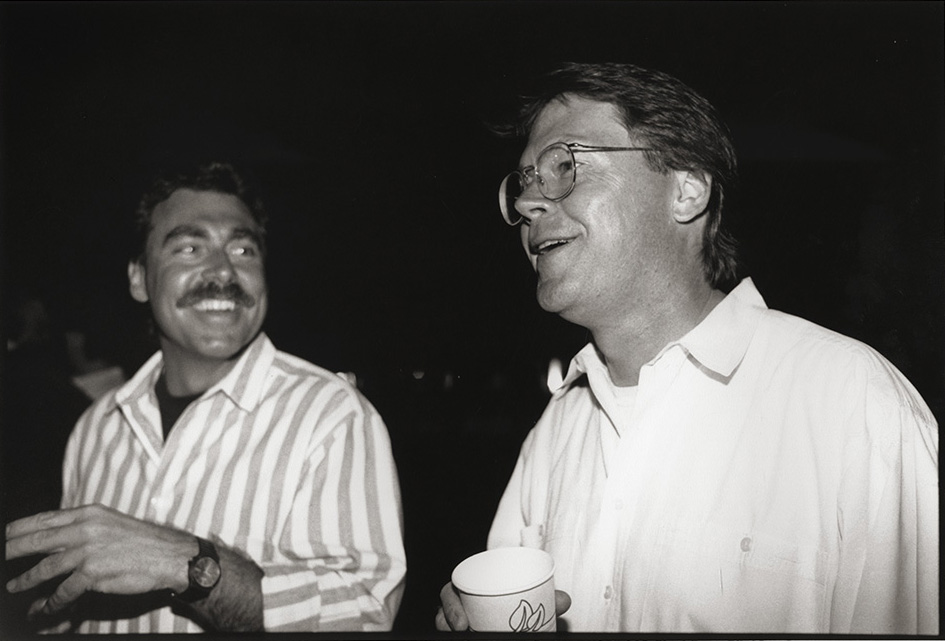
Depiction of Doug Kraner (right)<br />Photo By <a href='http://www.mylesaronowitz.com/'>Myles Aronowitz</a>
Doug Kraner (right)
Photo By Myles Aronowitz

With an MFA in theater from UMass Amherst (1979), Doug Kraner built a career of thirty five years that grew from scenic design for the stage into production design for feature films and television. After his time in Amherst, Kraner taught at SUNY Stonybrook and worked on and off-Broadway, but by 1981, he moved to Hollywood and began a film career as set decorator for My Dinner With Andre (1981). Among dozens of credits as art director or production designer, Kraner worked on commercially successful films such as Uncle Buck, Lean on Me, Sleeping with the Enemy (which was the start of a long and productive working relationship with the director Danny Cannon), Extreme Measures, and I Still Know What You Did Last Summer. He received an Emmy nomination in 1983 for Little Gloria… Happy at Last, and in his work on the television show Gotham in 2014-2015 earned both Emmy and Art Directors Guild Award nominations. After a lengthy struggle with cancer, Kraner died on April 4, 2016.

Organized project by project, the Kraner collection includes a cross-section of work from a production designer in the film and television industries from the 1980s to 2010s. Although the depth of coverage and contents vary from film to film, the files may contain anything from rough concept sketches to finished designs, photographs of three-dimensional models, and schematics for the construction of sets, and in the aggregate, the work documents the transition from paper-based to purely digital production techniques. Kraner retained a small number of sketches from his time as a graduate student at UMass Amherst, two sketchbooks, and a portfolio of his work for film.

Gift of Ron Duby, Sept. 2016
Kraus, Karl

Karl Kraus Papers

1880-1962 Bulk: 1930-1962
2 boxes 1 linear feet
Call no.: MS 470
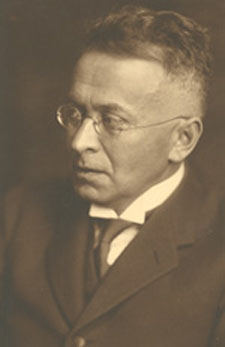
Depiction of Karl Krauss
Karl Krauss

Known for his bitingly satirical poetry, plays, and essays, the Austrian writer Karl Kraus was born in what is today Jicin, Czech Republic. At the age of three, Kraus and his family moved to Vienna, where he remained for the rest of his life. He is best known as editor of the literary journal Die Fackel (The Torch), which he founded in 1899 and to which he was the sole contributor from 1911 until his death in 1936.

Gabriel Rosenrauch, a lawyer from Chernivtsi, Ukraine, collected materials about Kraus and his career, including newspaper articles and essays in German, Yiddish, Hebrew, English, and French written between 1914 and 1962. A few of these were written by well-known authors such as Hermann Hesse and Werner Kraft. The collection features personal photographs of Kraus from throughout his life, as well as photographs of his apartment in Vienna. Also of note are the indexes to Kraus’ journal Die Fackel that were composed by Rosenrauch, whose personal correspondence with Kraus archivist Helene Kann is part of the collection.

Language(s): German

Subjects

Kokoschka, Oskar, 1886-1980Kraft, Werner, 1896-1991Vienna (Austria)--History--20th centuryWorld War, 1939-1945

Contributors

Kraus, Karl, 1874-1936Rosenrauch, Gabriel

Types of material

Letters (Correspondence)
Kress, Claude Washington

Kress Political Economy Collection

1673-1925 Bulk: 1750-1850
2,934 items 46.5 linear feet
Call no.: D8 .A2

The heart of the Kress Collection lies in the lively pamphlet literature regarding Anglo-American political economics in the late eighteenth and early nineteenth centuries. Although somewhat miscellaneous, the collection contains thousands of titles touching on many of the major issues in trade, finance, political reform, and public policy in Britain and to a lesser degree America. Topics range from tariffs and free trade to public debt and taxation, imports and exports, banking, unionism, and socialism. Nearly three quarters of the collection dates from before 1848.

Subjects

Economics--History--18th centuryEconomics--History--19th centuryGreat Britain--Politics and Government--18th centuryGreat Britain--Politics and Government--19th century
Kszepka, Joseph A., collector

Joseph A. Kszepka Collection

1906-1949
8 items 0.15 linear feet
Call no.: MS 276

Collection of printed materials, primarily the constitutions and by-laws of Massachusetts Polish-American organizations, including publications of the Pilsudski Polish-American Citzens Club in Southbridge, St. Stanislaus’ Polish Lyceum in Three Rivers, and the Polish American Citizens’ Club also in Three Rivers, which contains study questions for the U.S. citizenship exam. Also a prayerbook (1906) and a textbook for parents and teachers, Masturbation in Men and Women and Its Effects (1912), translated to Polish from German.

Subjects

Polish Americans--Massachusetts

Contributors

Kszepka, Joseph A.
Kugrens, Paul

Paul Kugrens Papers

1994-2006
4 boxes 1.75 linear feet
Call no.: MS 629

A specialist in the cryptophycaea, Paul Kugrens was born in Latvia in 1942 and lived in Pegnitz, Germany, until he emigrated to the United States with his parents at the age of eight. After receiving bachelors and masters degrees in zoology at the University of Nebraska and a doctorate at Berkeley (1971), Kugrens joined the faculty at Colorado State, remaining there for thirty-seven years. His research centered on the cell biology and ultrastructure of the cryptophytes Chroomonas, Cryptomonas, and Rhodomonas, and microalgae such as Prymnesium and Cyanophora.

The Kugrens papers include extensive documentation of the research and professional activities of a phycologist, including correspondence, grants proposals, manuscripts, and field data, along with thousands of electronic micrographs.

Gift of Terry Kugrens, Aug. 2009

Subjects

AlgologistsColorado State University--FacultyCyanobacteria--Composition

Contributors

Kugrens, Paul

Types of material

Scanning electron micrographs