The University of Massachusetts Amherst
Robert S. Cox Special Collections & University Archives Research Center
CredoResearch digital collections in Credo

Archive

Clark, Edie

Edie Clark Papers

1834-2018 Bulk: 1939-2017
63 boxes 94.5 linear feet
Call no.: MS 1018

Temporarily stored offsite; contact SCUA to request materials from this collection.

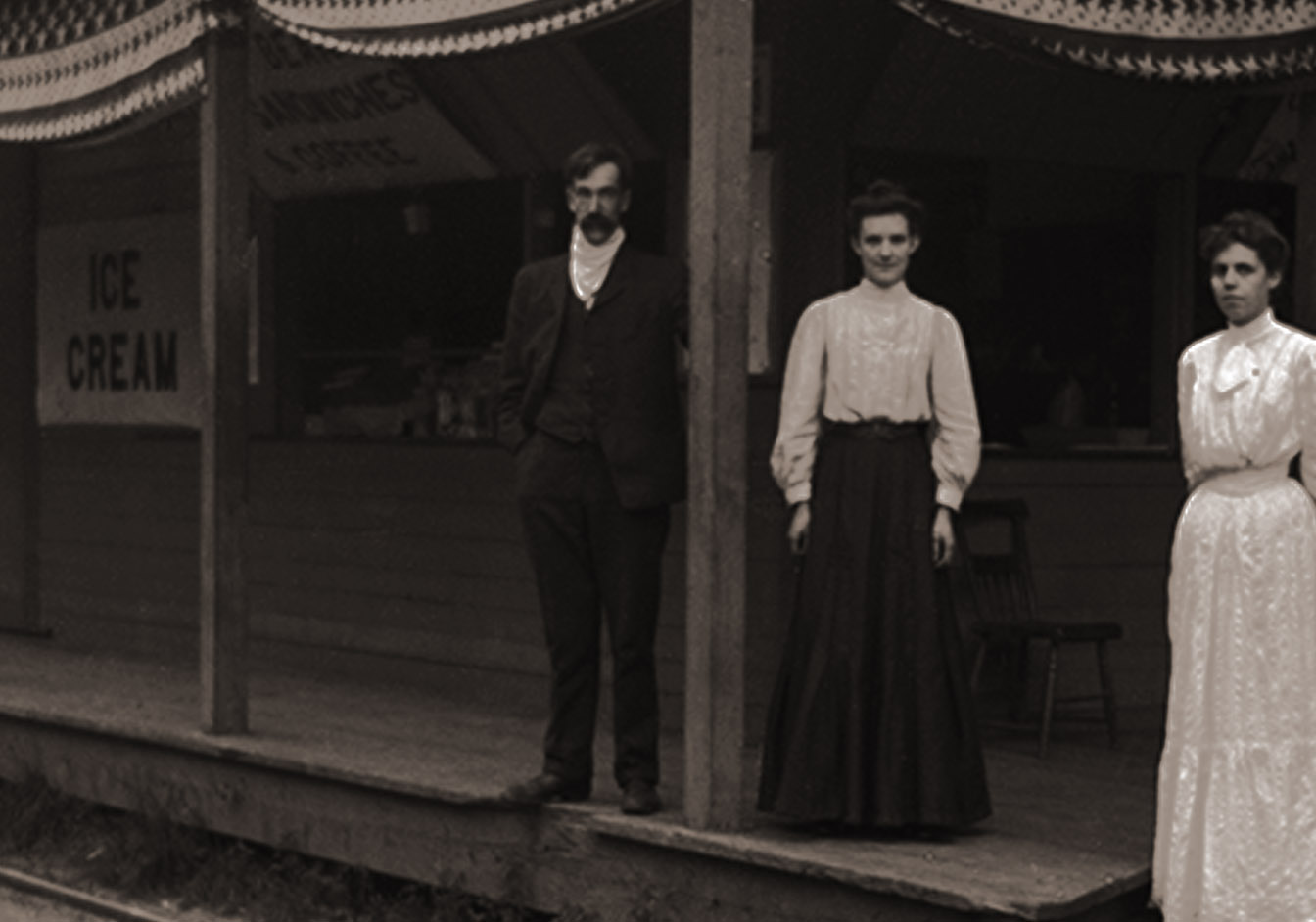
Beloved for her essays on New England life and for a long-running column in Yankee Magazine, Edie Clark was born in northern New Jersey in 1948 and raised near Morristown. A graduate of Beaver College, Clark cut short a career as editor for the Chilton Company in 1973 when she and her husband, inspired by Scott Nearing, moved to Vermont to pursue a simpler, more self-sufficient life. Drawing on the skills honed at Chilton, Clark developed a successful editorial business, which led her to approach Yankee Magazine in 1978 with the idea of writing an article on Abby Rockefeller and composting toilets, beginning an association that would last nearly twenty years. In 1990, Clark began writing a regular column on country life for Yankee, and in the years since, she has written dozens of essays and seven books, including The place he made (2008), a memoir about her second husband’s struggle with cancer; States of grace (2010), containing essays on “real Yankees;” and What there was not to tell (2013), an account of Clark’s search to uncover her parents’ experiences during the Second World War. Following a lengthy period of ill health, Clark retired from writing in 2017.

The record of a popular writer known for her depictions of contemporary New England, the Edie Clark Papers contain drafts and printed copies of nearly all of Clark’s work. An assiduous researcher, she gathered background materials on topics ranging from Lyme disease to the New England-Canadian border region to psychics and Spiritualists, and she corresponded or conducted interviews with dozens of people who featured in her work, including the author Carolyn Chute (author of The Beans of Egypt, Maine) and her husband Michael, then leaders in the so-called Second Maine Militia. Even more voluminous are some remarkable Clark family materials, including dozens of essays and letters by Clark’s grandmother Eleanor Sterling Clark and over 2,000 letters from her parents. Luther and Dorothy Clark, written during the Second World War while they were serving in the Army Air Corps and Marine Corps, respectively. These letters formed the basis for Clark’s remarkable book, What there was not to tell.
Gift of Edie Clark, April 2018.

Subjects

Authors--New EnglandNew England--Social life and customs--20th centurySpiritualismWorld War, 1939-1945

Contributors

Chute, CarolynClark, Dorothy RahmannClark, Eleanor SterlingClark, Luther Stowell, Jr.

Types of material

AudiocassettesOral histories
Clark, Gloria Xifaras, 1942-

Gloria Xifaras Clark Papers

1943-2015
21 boxes 10.75 linear feet
Call no.: MS 865
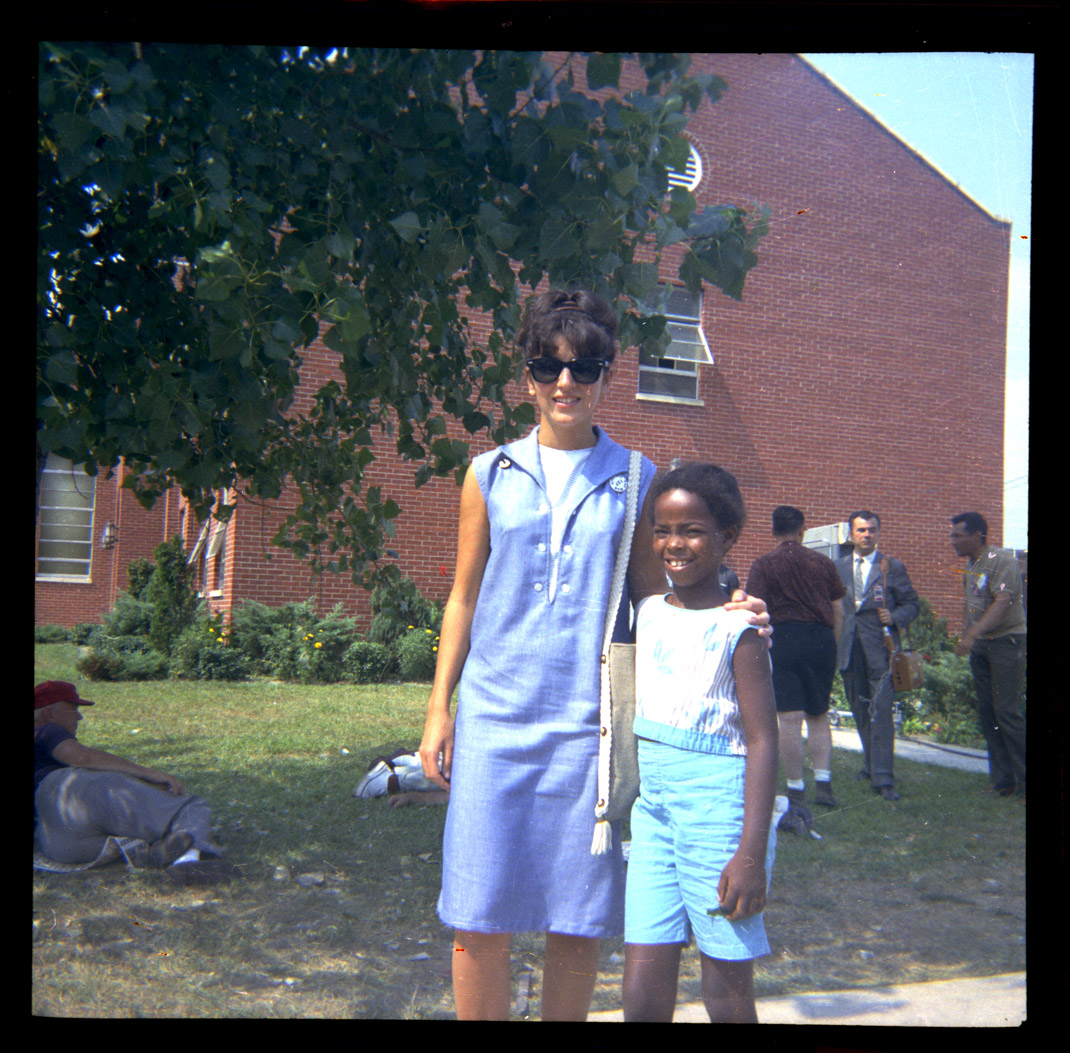
Depiction of Gloria Xifaras Clark and student, 1964
Gloria Xifaras Clark and student, 1964

Gloria Xifaras Clark was working as an elementary school teacher in her home town of New Bedford in 1964 when she answered the call to enlist in the Mississippi Freedom Summer Project. A recent graduate of Wheelock College, she was assigned to teach in the Benton County Freedom School in Holly Springs for several months, and stayed on to help organize the Mississippi Freedom Democratic Party and to teach literacy and Negro history in Benton, Tippah, and Union Counties. She continued on the activist path after returning to Massachusetts, devoting her energies to economic justice initiatives and work with the Friends of SNCC and the NAACP, and diving headlong into the antiwar movement as head of the Greater New Bedford Draft Information Center. After spending three years in England with her family in 1972-1975, she resumed her civic and educational work in New Bedford, eventually earning appointment as head of the Commonwealth’s Office for Children under Michael Dukakis in 1983. With a keen awareness of the historical importance of the civil rights struggle, Clark became a key organizer of an oral history project during the 1990s that included her fellow veterans of the civil rights movement in northern Mississippi. The results are available digitally through the University of Southern Mississippi.

Documenting the evolution of one activist’s career, the Clark Papers offer valuable information on the Freedom Summer and Freedom Schools in northern Mississippi, particularly in Tippah and Benton Counties, and civil rights activism more generally. The collection includes communiques among civil rights workers in the region, a variety of correspondence, pamphlets, newsletters, and ephemera, plus a small, but noteworthy collection of photographs. Of particular significance among the later materials is a thick body of material from the Draft Information Center in New Bedford (1967-1968), the Vietnam Summer project (1967), and relating to Clark’s role in the Harvard Strike of 1969.

Subjects

American Friends Service CommitteeCivil Rights movements--MississippiCouncil of Federated Organizations (U.S.)Draft resisters--MassachusettsHarvard University--Student strike, 1969Mississippi Freedom Democratic PartyMississippi Freedom ProjectPeace movements--MasachusettsStudent Non-Violent Coordinating Committee (U.S.)Students for a Democratic Society (U.S.)Vietnam War, 1961-1975--Protest movements--Massachusetts

Types of material

Photographs
Clark, Henry James, 1826-1873

Henry James Clark Papers

1865-1872
1 box 0.25 linear feet
Call no.: FS 048
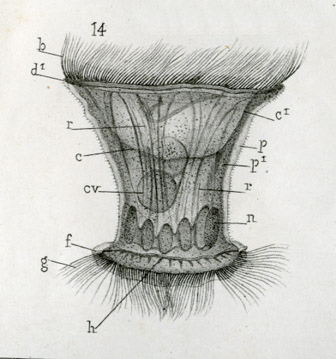
Depiction of Trichodina pediculus
Trichodina pediculus

The first professor of Natural History at the Massachusetts Agricultural College, Henry James Clark, had one of the briefest and most tragic tenures of any member of the faculty during the nineteenth century. Having studied under Asa Gray and Louis Agassiz at Harvard, Clark became an expert microscopist and student of the structure and development of flagellate protozoans and sponges. Barely a year after joining the faculty at Massachusetts Agricultural College at its first professor of Natural History, Clark died of tuberculosis on July 1, 1873.

A small remnant of a brief, but important career in the natural sciences, the Henry James Clark Papers consist largely of obituary notices and a fraction of his published works. The three manuscript items include two letters from Clark’s widow to his obituarist and fellow naturalist, Alpheus Hyatt (one including some minor personal memories), and a contract to build a house on Pleasant Street in Amherst.

Subjects

Developmental biologyMassachusetts Agricultural College--FacultyMassachusetts Agricultural College. Department of Veterinary ScienceProtozoans

Contributors

Clark, Henry James, 1826-1873Clark, Mary Young HolbrookHyatt, Alpheus, 1838-1902

Types of material

ContractsLetters (Correspondence)
Clark, Orton Loring

Orton Loring Clark Papers

1910-1922
1 box 0.5 linear feet
Call no.: FS 047

Orton Loring Clark was an associate professor of botany and biology at the University of Massachusetts. After earning his B.A. in 1908 from the University, then the Massachusetts Agricultural College, Clark studied at the University of Strasbourg, where he earned his doctorate. He joined the faculty of his alma mater in 1913, specialized in plant physiology, and taught until his retirement in 1946. Known as a great teacher and fine artist, Clark was active in Amherst town politics. He passed away in 1965 at the age of 79.

Orton Loring Clark’s collection includes several notebooks of research notes, data, and hand-drawn field diagrams. The notebooks date from his student years in Germany to his first several years on the faculty at the Massachusetts Agricultural College. The collection also includes one letter from 1922.

Subjects

Massachusetts Agricultural College--FacultyMassachusetts Agricultural College. Botany Department

Contributors

Clark, Orton Loring
Clark, William Smith, 1826-1886

William Smith Clark Papers

1814-2003 Bulk: 1844-1886
14.75 linear feet
Call no.: RG 003/1 C63
Depiction of William Smith Clark
William Smith Clark

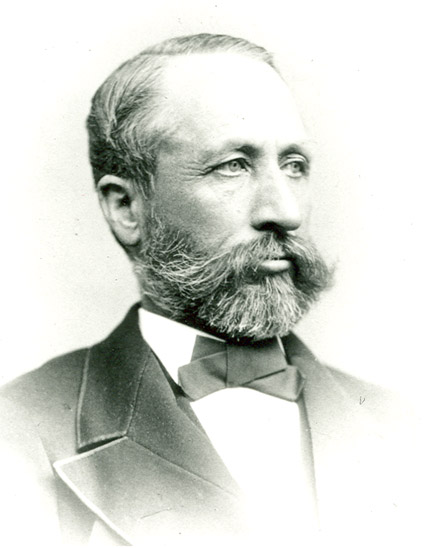
Born in Ashfield, Massachusetts, in 1826, William Smith Clark graduated from Amherst College in 1848 and went on to teach the natural sciences at Williston Seminary until 1850, when he continued his education abroad, studying chemistry and botany at the University of Goettingen, earning his Ph.D in 1852. From 1852 to 1867 he was a member of Amherst College’s faculty as a Professor of Chemistry, Botany, and Zoology. As a leading citizen of Amherst, Clark was a strong advocate for the establishment of the new agricultural college, becoming one of the founding members of the college’s faculty and in 1867, the year the college welcomed its first class of 56 students, its President. During his presidency, he pressured the state government to increase funding for the new college and provide scholarships to enable poor students, including women, to attend. The college faced economic hardship early in its existence: enrollment dropped in the 1870s, and the college fell into debt. He is noted as well for helping to establish an agricultural college at Sapporo, Japan, and building strong ties between the Massachusetts Agricultural College and Hokkaido. After Clark was denied a leave of absence in 1879 to establish a “floating college” — a ship which would carry students and faculty around the world — he resigned.

The Clark Papers include materials from throughout his life, including correspondence with fellow professors and scientists, students in Japan, and family; materials relating to his Civil War service in the 21st Massachusetts Infantry; photographs and personal items; official correspondence and memoranda; published articles; books, articles, television, and radio materials relating to Clark, in Japanese and English; and materials regarding Hokkaido University and its continuing relationship with the University of Massachusetts.

Subjects

Agricultural colleges--Japan--HistoryAgricultural colleges--Massachusetts--HistoryAgriculturists--JapanAgriculturists--MassachusettsAmherst (Mass.)--HistoryAmherst College--FacultyAmherst College--Students--CorrespondenceHokkaido (Japan)--HistoryHokkaid¯o Daigaku--HistoryHokkaid¯o Teikoku Daigaku--HistoryJapan--Relations--United StatesMassachusetts Agricultural College--HistorySapporo N¯ogakk¯o--HistorySapporo N¯ogakk¯o. PresidentT¯ohoku Teikoku Daigaku. N¯oka Daigaku--HistoryUnited States--History--Civil War, 1861-1865United States--Relations--JapanUniversität Göttingen--Students--Correspondence

Contributors

Clark, William Smith, 1826-1886Massachusetts Agricultural College. President

Types of material

DrawingsPhotographsRealiaScrapbooks
Clarke School for the Deaf

Clarke School for the Deaf Records

ca.1867-2010
130 boxes 195 linear feet
Call no.: MS 742

Temporarily stored offsite; contact SCUA to request materials from this collection.

With a $50,000 grant from the philanthropist John Clarke, Gardiner Green Hubbard founded the Clarke Institution for Deaf Mutes in 1867, a school predicated on the importance of acquiring oral skills for children with hearing loss. Opened in Northampton, Mass., under the direction of Harriet B. Rogers, Clarke differed philosophically from schools such as the American School for the Deaf where sign language was used for instruction, stressing speech-reading and speech as the primary methods of communication. With notable supporters such as Alexander Graham Bell, Clarence W. Barron, and Calvin Coolidge and his wife Grace (a former teacher), the school became a pioneer in training teachers in auditory and oral methods and in recognizing the importance of early intervention and mainstreaming children into neighborhood schools. Working in partnership with Smith College, Clarke began offering a master’s degree in Education of the Deaf in 1962. Known as the Clarke Schools for Hearing and Speech since 2010, the school has opened additional campuses in Boston (1995), Jacksonville (1996), New York (1999), and Philadelphia (2001).

The records of the Clarke School offer rich documentation of the history of oral deaf education in the United States and insight into the experience of deafness in America. The collection includes extensive correspondence of school administrators and teachers, organizational materials, records of the school’s programs, and an essentially complete run of the school’s annual reports and other publications.

Subjects

Deaf--EducationDeafness--Genetic aspectsTeachers of the deaf

Contributors

Alexander Graham Bell Association for the DeafBell, Alexander Graham, 1847-1922Coolidge, Grace Goodhue, 1879-1957

Types of material

Minutes (Administrative records)Photographs
Restrictions: Student records, medical records, and genealogical and genetic records generated by the research staff at the school are restricted for 75 years from the date of creation.
Class Action

Class Action Records

2004-2010
13 boxes 19.5 linear feet
Call no.: MS 687

Temporarily stored offsite; contact SCUA to request materials from this collection.

Since incorporating as a non-profit in 2004, Class Action has been dedicated to exploring issues surrounding class and identifying means of dismantling classism. Founded by Felice Yeskel (an activist and founder of the Stonewall Center at UMass Amherst) and Jennifer Ladd, Class Action offers training, workshops, and organizational consulting to raise awareness of the impact of class barriers and class privilege on the lives of individuals and communities and of the intersections between race and class. Their goals include making class a diversity issue and promoting a broader vision of economic and social justice that will create lasting systemic change.

The records of Class Action include administrative files for the organization along with a range of materials used in training sessions and workshops.

Subjects

ClassismRacismSocial classes

Contributors

Ladd, JenniferYeskel, Felice

Types of material

Sound recordings
Cleary, Vincent J.

Vincent J. Cleary Papers

1962-2007
5 boxes 2.08 linear feet
Call no.: FS 123

Vincent J. Cleary is a retired Professor of Classics at the University of Massachusetts Amherst, where he taught until 1997. With a particular interest in Latin poetry, Cleary is both a journalist and writer. Most of his writings reflect his love for the Pioneer Valley; Cleary was most commonly published in the Hampshire Gazette, although he also submitted articles to larger magazines and newspapers.

The Cleary Papers are comprised of articles that Cleary wrote for magazines and newspapers such as Hampshire Life, and narratives relating to the town of Amherst for his book Amherst, Massachusetts 01002: One of the Best Small Towns in America. A bound copy of the book is included with the collection, as well as narratives and Cleary’s research materials. The collection contains complete newspapers and magazines and copies of Cleary’s articles (his earlier work is centered around Virgil’s The Aeneid). Also included among the papers are unpublished writings and an array of VHS and cassette tapes with copies of his lectures and class presentations.

Subjects

Amherst (Mass.)--Social life and customsUniversity of Massachusetts Amherst--Students

Contributors

Cleary, Vincent J
Clement Company (Northampton, Mass.)

Clement Company Records

1881-1934
61 boxes, 103 ledgers 43 linear feet
Call no.: MS 099

In mid-nineteenth century, the Connecticut River Valley in Massachusetts emerged as a center of cutlery manufacture in the United States. In 1866, a group of manufacturers in Northampton including William Clement, previously a foreman at Lamson and Goodnow, founded Clement, Hawke, and Co. in Florence to produce both hardware and cutlery, and after several reorganizations, the firm spawned both the Northampton Cutlery Co. (1871) and the Clement Manufacturing Co. (1882, formerly International Screw). Clement produced high quality table cutlery and was an early adopter of stainless steel. The company ceased operations in about 1970.

The Clement Company’s records include extensive correspondence files (1881-1934), along with journals and ledgers, payroll accounts, employee information, and other records. The records provide excellent documentation of wages, working conditions, the labor forces, and technological change in the industry, as well as the efforts of local workers to unionize.

Subjects

Cutlery trade--Massachusetts

Contributors

Clement Company (Northampton, Mass.)
Cleveland, L. R. (Lemuel Roscoe), 1892-

L. R. Cleveland Collection

1936-1958
1 box 1.6 linear feet
Call no.: MS 1092
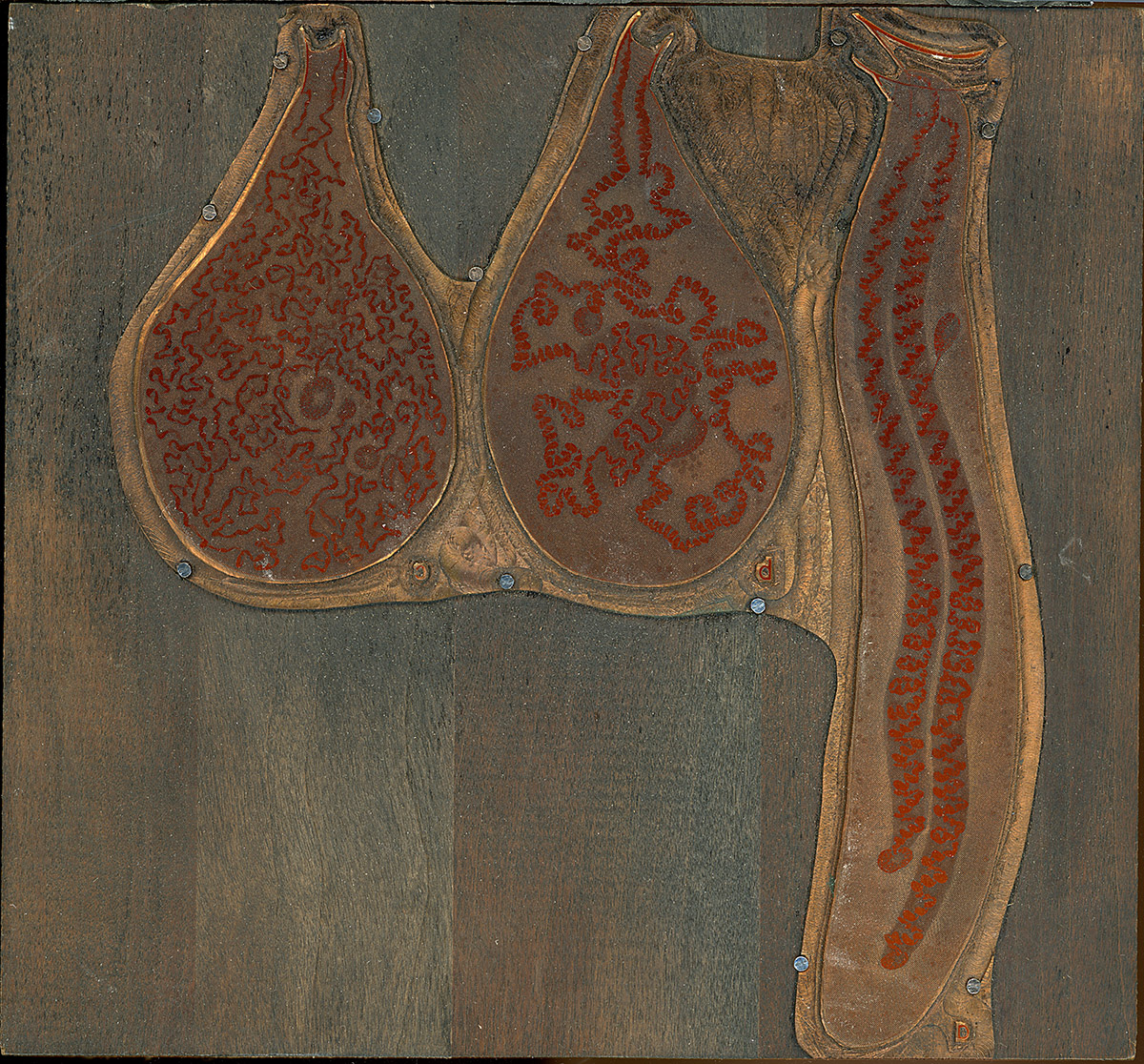
Depiction of Printing plate
Printing plate

The protistologist Lemuel R. Cleveland is credited with providing the first convincing evidence of the endosymbiotic relationship between protists and their metazoan hosts. A Mississippian by birth and graduate of University of Mississippi and Johns Hopkins, Cleveland spent the majority of his career at Harvard, specializing in study of the flagellates inhabiting the guts of termites and the wood-dwelling cockroach Cryptocercus.

This small collection consists of two papers by Cleveland (one in manuscript), four wood-mounted printing blocks, published color and black and white plates, and original paste-up figures for publications by protistologist L. R. Cleveland.

Gift of Michael Dolan, May 2015.

Subjects

Cytology--Pictorial worksFlagellata--Pictorial works

Types of material

Printing plates