The University of Massachusetts Amherst
Robert S. Cox Special Collections & University Archives Research Center
CredoResearch digital collections in Credo

Archive

Artists-Research-Technology, Inc.

Artists-Research-Technology, Inc., Collection

1977-2013
2 boxes 3 linear feet
Call no.: MS 832
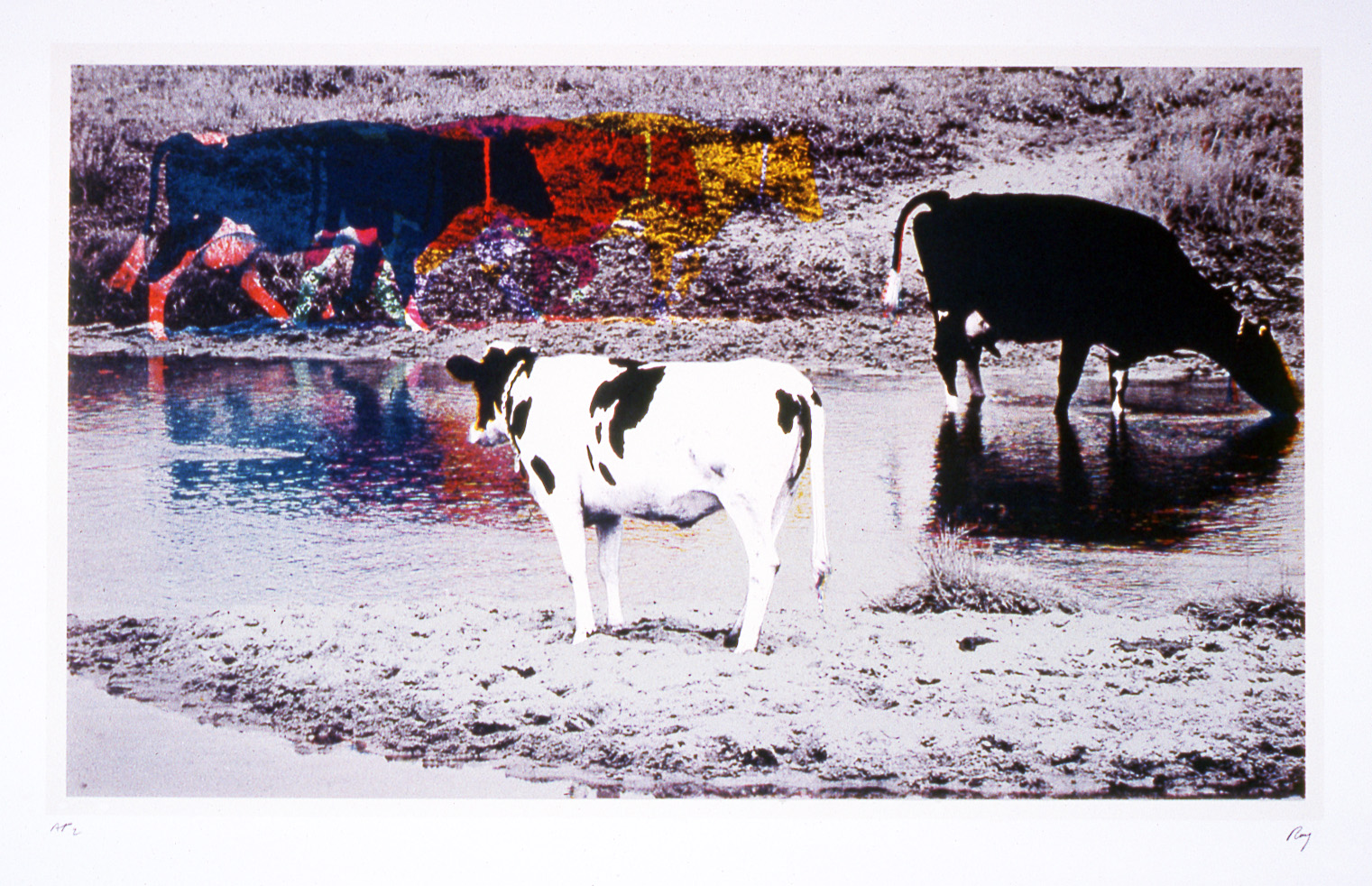
Depiction of John Roy, Three Cows
John Roy, Three Cows

Artists-Research-Technology, Inc., was a collaboration of printmakers based in western Massachusetts, that in the late 1970s, began using mechanized offset lithography as an alternative to more traditional lithographic techniques in the production of limited-edition fine art prints. On the commercial press of Hamilton I. Newell, the artists avoided merely adapting artistic processes to offset, placing innovative demands on themselves to explore the intersections of technology and fine art. An extensive body of prints by the key participants (Ron Michaud, Hanlyn Davies, Oriole Feshbach, Hiroshi Murata, John Roy, Dale Schlaeppi, and Larry Spaid) were exhibited nationally and internationally.

The ART collection consists of photographs and original prints by the key members of the ART collaborative, along with phootgraphs, scans, correspondence, minutes of meetings, publicity, a videotape, and other material relating to the project.

Subjects

Art and technologyLithographyUniversity of Massachusetts Amherst--FacultyUniversity of Massachusetts Amherst. Department of Art, Architecture, and Art History

Contributors

Davies, HanlynFeshbach, Oriole FarbMichaud, RonaldMurata, Hiroshi, 1941-Roy, JohnSchläppi, Dale

Types of material

LithographsPhotographs
Baker, James

James Baker Free Spirit Press Collection

1969-2005 Bulk: 1969-1974
3 boxes 1.25 linear feet
Call no.: MS 834
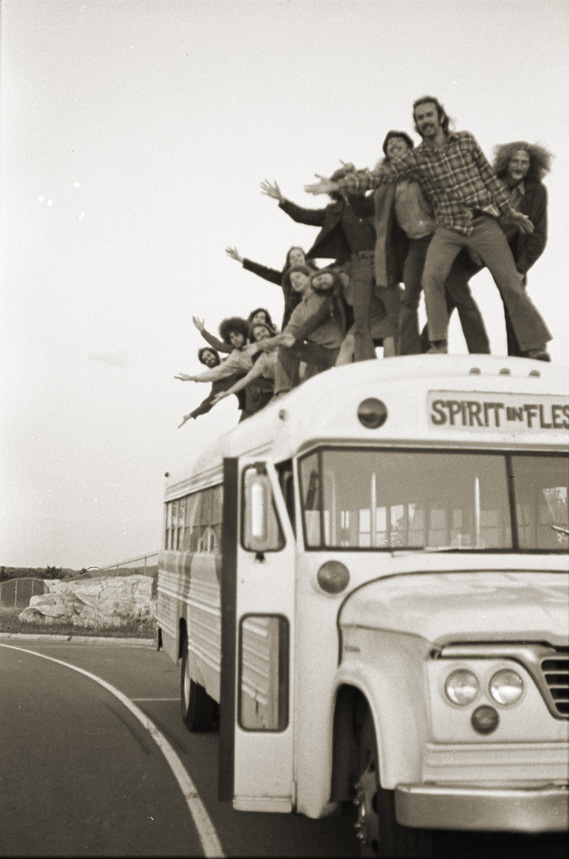
Depiction of Spirit in Flesh tour bus
Spirit in Flesh tour bus

James Baker was a member of the Brotherhood of the Spirit commune (later the Renaissance Community) in the early 1970s, and a key contributor to the Free Spirit Press, the commune’s publishing operation. Part promotion, information, and entertainment, the Free Spirit Press magazine ran for four issues in the winter and spring 1972-1973.

The Baker collection consists of the surviving materials from the production of Free Spirit Press concentrated heavily in the period between winter 1972 and summer 1974. Accumulated mostly while preparing a brochure for the commune, the manuscript material contains copies of the commune’s by-laws and membership rolls, comments from community members on how they wished to be represented, and a story board for the brochure and series of quotes from community members to be included. The second half of the collection contains hundreds of images, mostly 35mm negatives, taken of or by the commune and its residents. The images depict the production and distribution of Free Spirit Press and the commune band (Spirit in Flesh, later called Rapunzel), but they also include several rolls of film taken by commune members of major rock and roll acts of the era, including the Grateful Dead, Taj Mahal, Jethro Tull, Santana, Chuck Berry, Hot Tuna, and Fleetwood Mac.

Subjects

Berry, ChuckBrotherhood of the Spirit (Commune)Communal living--MassachusettsGrateful Dead (Musical group)Grateful Dead (Musical group)--PhotographsMetelica, MichaelRenaissance Community (Commune)Rock music--1971-1980--PhotographsTaj Mahal (Musician)Taj Mahal (Musician)--Photographs

Contributors

Geisler, Bruce

Types of material

Photographs
Black, Joseph Laurence, 1962-

Joseph Laurence Black History of the Book Collection

1789-1964
128 items 3 linear feet
Call no.: RB 023
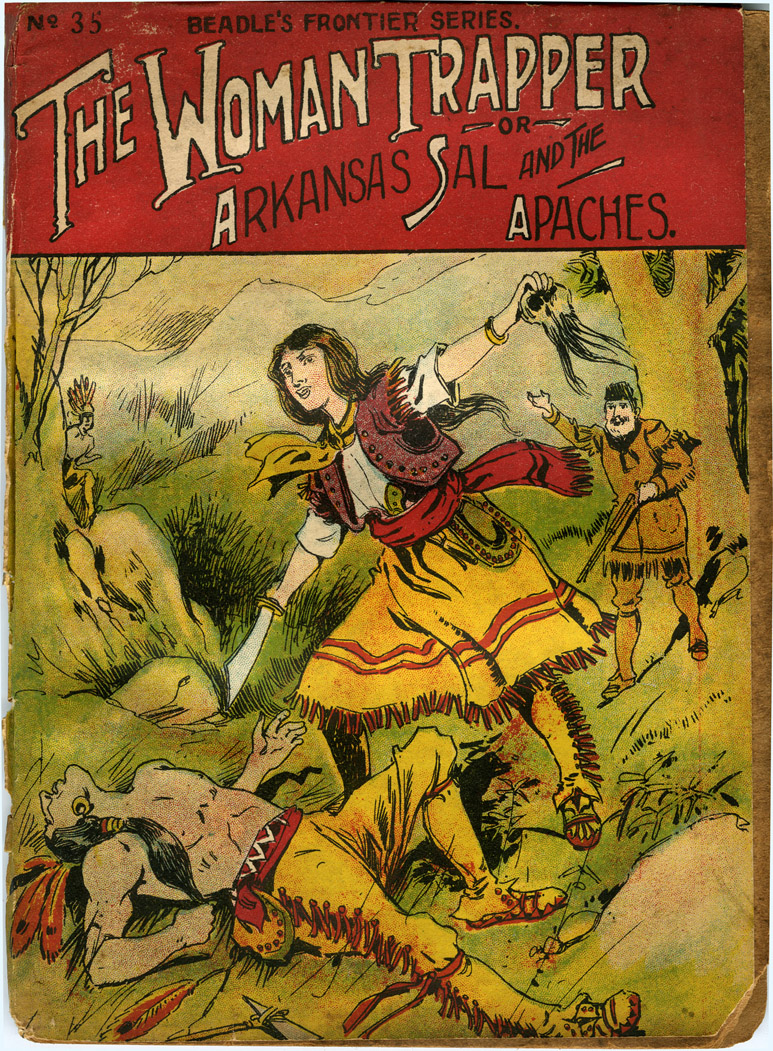
Depiction of The Woman Trapper (1908)
The Woman Trapper (1908)

A scholar of early modern British literature, Joe Black received his BA and PhD from the University of Toronto and taught for several years at the University of Tennessee Knoxville before joining the English faculty at UMass Amherst in 1994. Rooted in the history of the book, his research on seventeenth-century literature has examined the intersection between writing and the material and social context of production as well as the dialogue between print and manuscript culture.

The Black collection is an eclectic assemblage of American imprints designed to assist study and instruction in the history of the book. The collection includes two long runs of pulp novels, Beadle’s Frontier Series and the American Revolution-inspired Liberty Boys of ’76, examples of almanacs, prompt books, and works form the early national period in publishers’ bindings.

View the full Black collection in the library’s catalog.

Subjects

Books--History--United StatesDime novels, American

Types of material

AlmanacsScrapbooks
Harding, William E.

William E. Harding Collection

1972-2003 Bulk: 1972-1981
2 boxes 1 linear feet
Call no.: MS 843
Depiction of

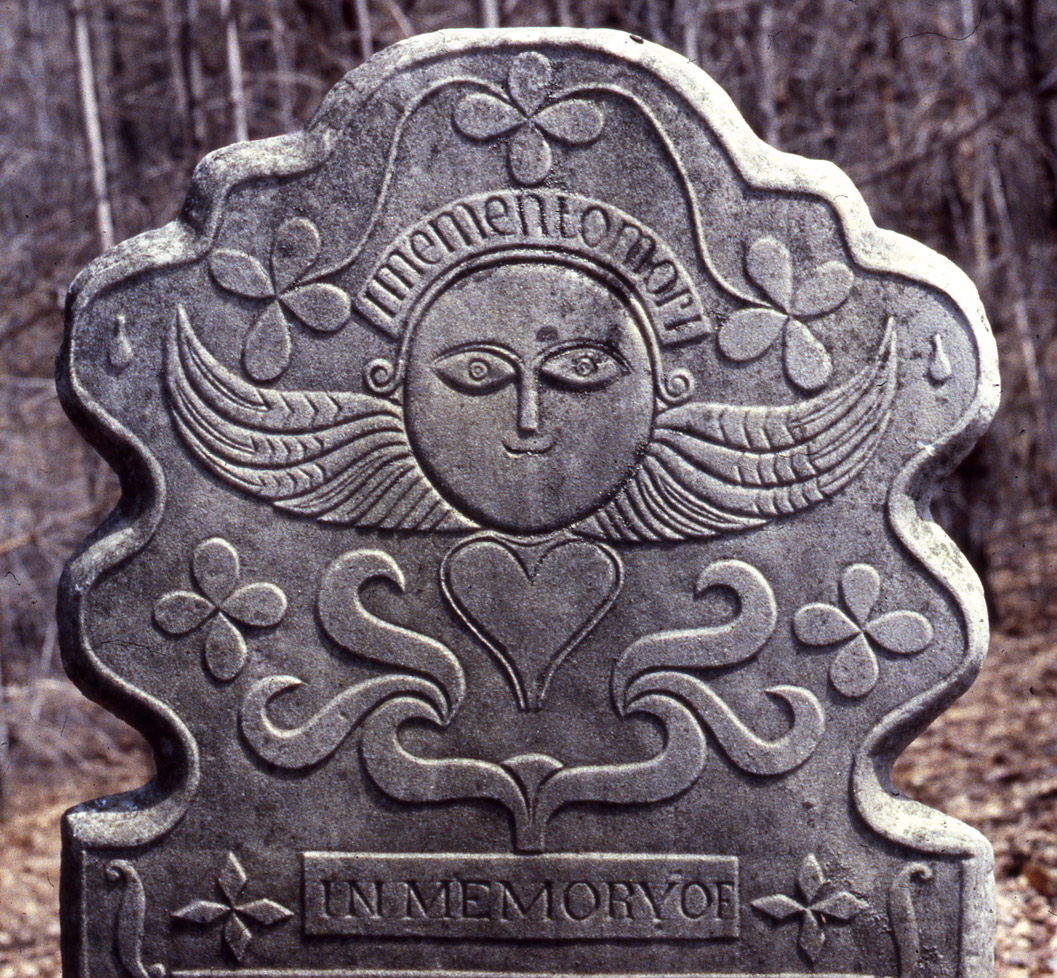
As an undergraduate at Williams College, William (Bill) Harding undertook a research project on the Bennington Centre Cemetery in Vermont to document its stones, through which he became engaged in a longer-term study of the most important carvers represented there in the years after the American Revolution, Zerubbabel Collins and Samuel Dwight. Harding’s work was an important contribution to understanding the transition from death’s head imagery to the gentler cherubs of the early national period and he unearthed significant detail on the lives of noted carvers. Harding went on to study medicine, but remained active in the early conferences of the Association for Gravestone Studies and as a lecturer on the topic for several years until the demands of his professional life gradually intervened.

Centered on his study of Vermont carvers and early gravestone iconography, the Harding collection includes photographs, research and lecture notes, some correspondence, and a sampling of published material. The collection contains Harding’s bachelor’s thesis, “The graveyard at Old Bennigton, Vermont, and the gravestones of Zerubbabel Collins” (1972) and his later, more comprehensive study “Bennington Gravestones” (1975), and notably, two fine prints of gravestones by his colleague, Daniel Farber.

Subjects

Bennington (Vt.)--HistoryBennington Centre CemeteryCollins, ZerubbabelSepulchral monuments--VermontStone carvers--Vermont

Types of material

Photographs
Karuth, Denise

Denise Karuth and Fred Pelka Papers

1981-2012
36 boxes 54 linear feet
Call no.: MS 833

Temporarily stored offsite; contact SCUA to request materials from this collection.

Denise Karuth and Fred Pelka are activists and historians of the disability rights movement based in Massachusetts. Both are graduates of SUNY Buffalo, while Karuth holds a masters in rehabilitation counseling from Boston State College and a masters in divinity from the Episcopal Divinity School in Cambridge. Karuth came into activism through her church’s involvement in the civil rights movement and her own experience as a student dealing with blindness and multiple sclerosis at the State University of New York at Buffalo. After moving to Boston, her activism continued in efforts by the disability community to secure accessible and affordable mass transit in Massachusetts, and she has been involved with a broad spectrum of disability campaigns and organizations, serving as a peer counselor for people with disabilities, as Executive Director of Boston Self-Help Center, as a consultant on disability issues for the Human Genome Initiative, as a grant writer at the Stavros Center for Independent Living, and as Chair of the Governor’s Commission on Accessible Transportation under Gov. Michael Dukakis. She has also been an advocate for people who are homeless and was a principal founder of the First Church Shelter of the First Church in Cambridge. Karuth’s lifelong partner Fred Pelka, himself a person with disabilities, became involved in disability rights activism in 1983 while working at the Boston Center for Independent Living, and has made an impact as an editor and prolific author since. A 2004 Guggenheim Fellow, he has written three books on disability issues: The ABC-CLIO Companion to the Disability Rights Movement (1997), The Civil War Letters of Charles F. Johnson, Invalid Corps (2004), and What We Have Done: An Oral History of the Disability Rights Movement (2012). His fourth book, A Different Blaze, was published by Hedgerow Books in 2014, and is his first published poetry.

The Karuth and Pelka collection documents thirty years of social justice activism in Massachusetts centered on the movement for disability rights. Beginning in the1980s struggle for accessibility in transportation, the collection reflects the breadth of Karuth’s commitments and work on issues ranging from apartheid and US imperialism to homelessness and HIV/AIDS, and her work with organizations such as First Church in Cambridge, Amnesty International, Not Dead Yet, the Governor’s Council of Accessible Transportation, and the Boston Self Help Center. Pelka’s part of the collection contains extensive research and background material, notes, and drafts for each of his books, including lengthy transcripts of interviews with pioneers in disability rights.

Subjects

AIDS activists--MassachusettsBoston Self-Help CenterFirst Church (Cambridge, Mass.)Homelessness--MassachusettsLocal transit accessibilityMassachusetts. Governor's Commission of Accessible TransportationPeople with disabilities--Civil rightsPeople with disabilities--Legal status, laws, etc.

Contributors

Pelka, Fred
Lenn, Marjorie Peace

Marjorie Peace Lenn Papers

ca.1980-2010
40 boxes 60 linear feet
Call no.: MS 838
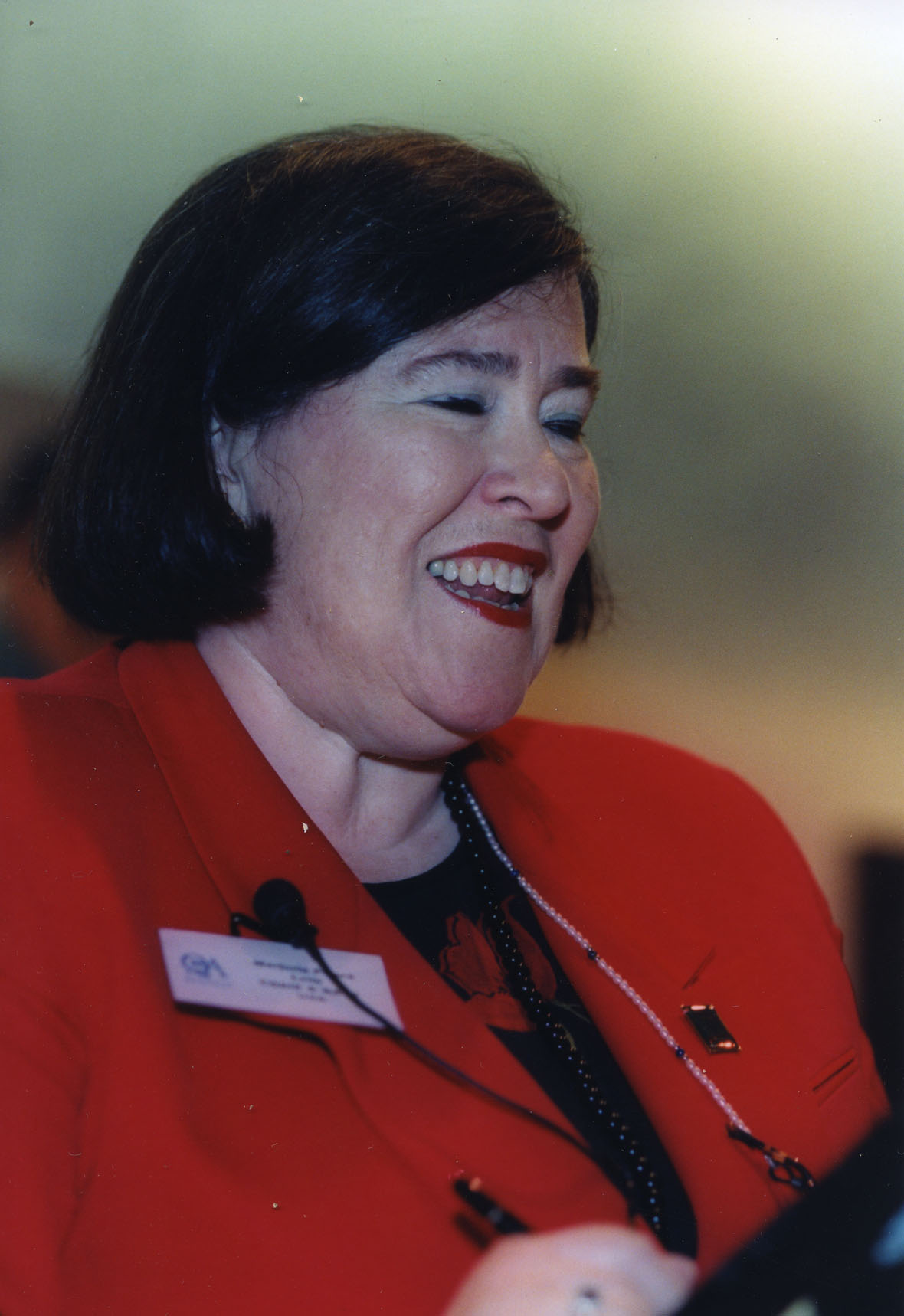
Depiction of Marjorie Peace Lenn
Marjorie Peace Lenn

Temporarily stored offsite; contact SCUA to request materials from this collection.

A leader in the global quality assurance movement in higher education, Marjorie Peace Lenn was founding president of the Center for Quality Assurance in International Education (CQAIE). Born in Bowling Green, Ohio, in 1946, and educated at Transylvania University (BA, 1968), Yale (MAR, 1970), and UMass Amherst (MEd and EdD, 1978), Lenn began her career in education as as assistant area director of student life at UMass Amherst, rising over the course of twelve years (1970-1982) to become the Director of Residential Life. From UMass, Lenn went on to senior positions with the Council on Postsecondary Accreditation (1982-1992) before founding the CQAIE in 1991. Throughout her career, Lenn was in high demand internationally as a consultant on quality assurance and accreditation systems. Working with dozens of governments, ministries of education, universities, and intergovernmental agencies such as the World Bank, UNESCO, OECD, Organization of American States, United Nations Development Program, and the Asia Development Bank, she also became an official advisor to the U.S. government on trade in education services as a member of the International Trade Advisory Commission, influencing the development of accreditation infrastructure in Asia, Europe, and the Americas. After a long battle with cancer, Lenn died at home in Alexandria, Va., on Oct. 16, 2010.

The Lenn Papers offer rich documentation of the international development of accreditation systems in higher education and the impact of Lenn’s ideas on quality assurance. The bulk of the records stem from Lenn’s work with the Center for Quality Assurance in International Education and Council on Postsecondary Accreditation, but also reflect her role as advisor to the US government and her varied consultancies.

Subjects

Center for Quality Assurance in International EducationCouncil on Postsecondary AccreditationEducation, Higher--EvaluationQuality assurance
Lewis, David L., 1936-

David Levering Lewis Papers

ca.1955-2012
54 boxes 81 linear feet
Call no.: MS 827
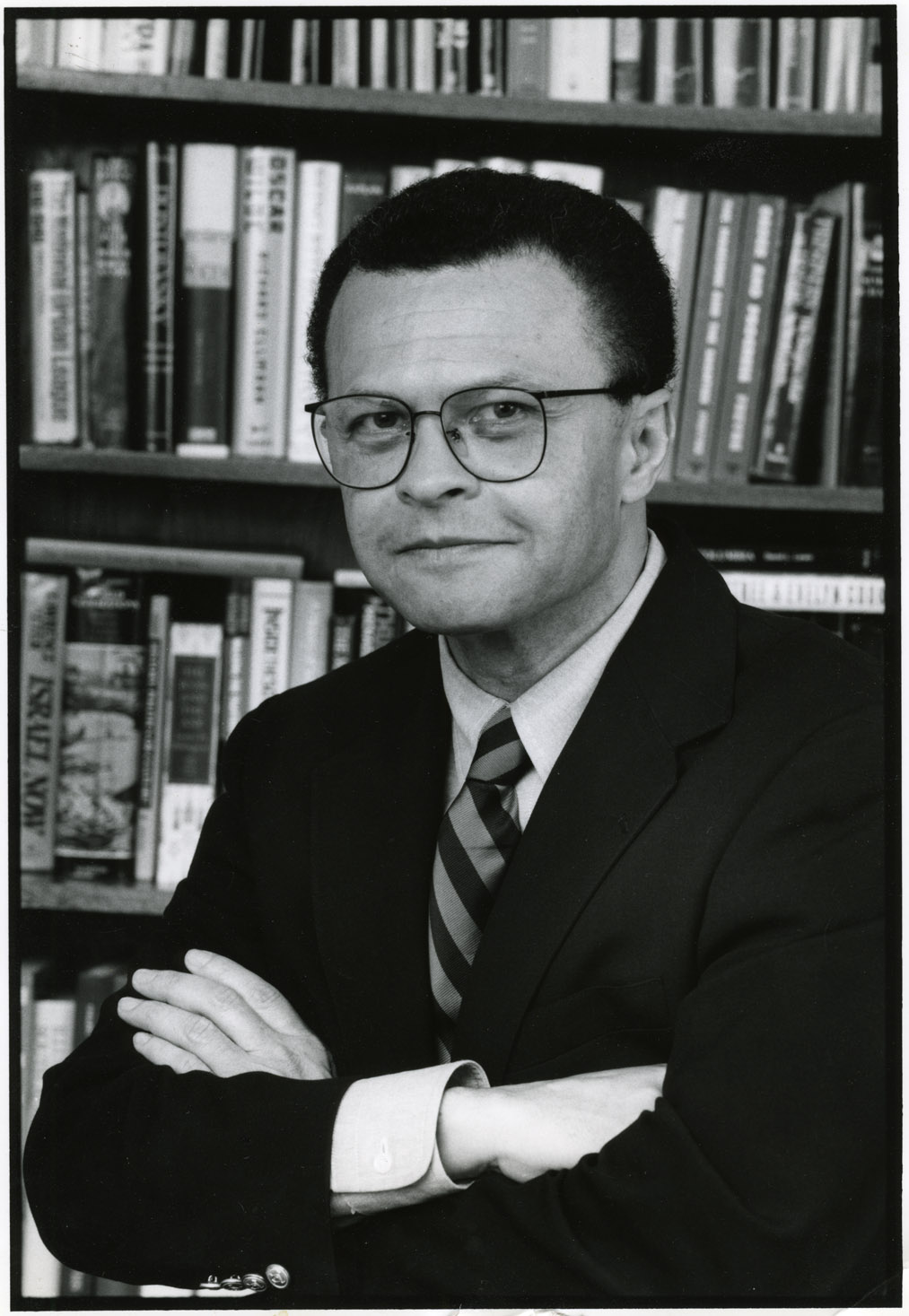
Depiction of David Levering Lewis
David Levering Lewis

The historian David Levering Lewis is the author of eight remarkably diverse monographs. Raised in an academic family, his father was president of Morris Brown College, Lewis enrolled at Fisk University at the age of 15 and was only 26 when he was awarded a doctorate in modern European history from the London School of Economics (1962). Through an academic career that has included numerous stops, including Morgan State, Notre Dame, Howard, the University of the District of Columbia (1970-1980), and Rutgers (1985-2003), Lewis remained consistently productive. Author of the first academic biography of Martin Luther King (1970) and a history of the Dreyfus Affair (1974), he wrote an influential study of the Harlem renaissance (1981) and important works on colonialism in Africa (1987) and Islamic Spain (2008), but he is best known for his two monumental biographies of W.E.B. Du Bois (1993, 2000), each of which was awarded a Pulitzer Prize. One of the most lauded African American historians of his generation, Lewis was recipient of the Bancroft Prize, the Francis Parkman Prizes, the 2009 National Humanities Medal, and a MacArthur Foundation Fellowship, and he was elected as a Fellow of both the American Academy of Arts and Sciences and the American Philosophical Society. Lewis was Julius Silver University Professor in History at New York University from 2003 until his retirement.

The papers of David Levering Lewis document a long and productive career as an academic historian and scholar of African American history and culture. Beginning with his years in college and graduate school, the collection offers a rich perspective on the evolution of his career. Lewis’s essential biographies of W.E.B. Du Bois are particularly well documented, however the collection includes abundant materials for each of his earlier projects, including correspondence, research notes, and drafts.

Subjects

African Americans--HistoryColonies--Africa--HistoryDu Bois, W. E. B. (William Edward Burghardt), 1868-1963Harlem RenaissanceHistorians--United StatesKing, Martin Luther, Jr., 1929-1968United States--History--20th century

Types of material

Photographs
MFA Program for Poets and Writers

MFA Program for Poets and Writers (University of Massachusetts Amherst) Collection

1963-2014
18 linear feet
Call no.: RB 024

One of the oldest programs of its kind in the country, the MFA Program for Poets and Writers at UMass Amherst was established by the poet Joseph Langland in 1963, offering students an opportunity for intensive focus on their creative work. Unlike the Iowa Writers Workshop, where Langland had studied, students in the UMass program were required to take coursework outside of writing workshops. Over its first fifty years, the program has grown into one of the top ten in the nation and its graduates and faculty have been recognized with awards from the Pulitzer to the National Book Award, Pushcart Prize, the PEN/Faulkner Award, and US Poet Laureate.

The MFA collection contains a growing body of work from students, alumni, and faculty affiliated with the Program for Poets and Writers at UMass Amherst. Among the hundreds of volumes are novels, collections of short stories, plays, and poetry, including a large number of chapbooks and small press imprints.

Subjects

FictionPoetry
Moss, Bernard

Bernie Moss Collection

ca. 1960-1978
7 boxes 10.5 linear feet
Call no.: PH 062
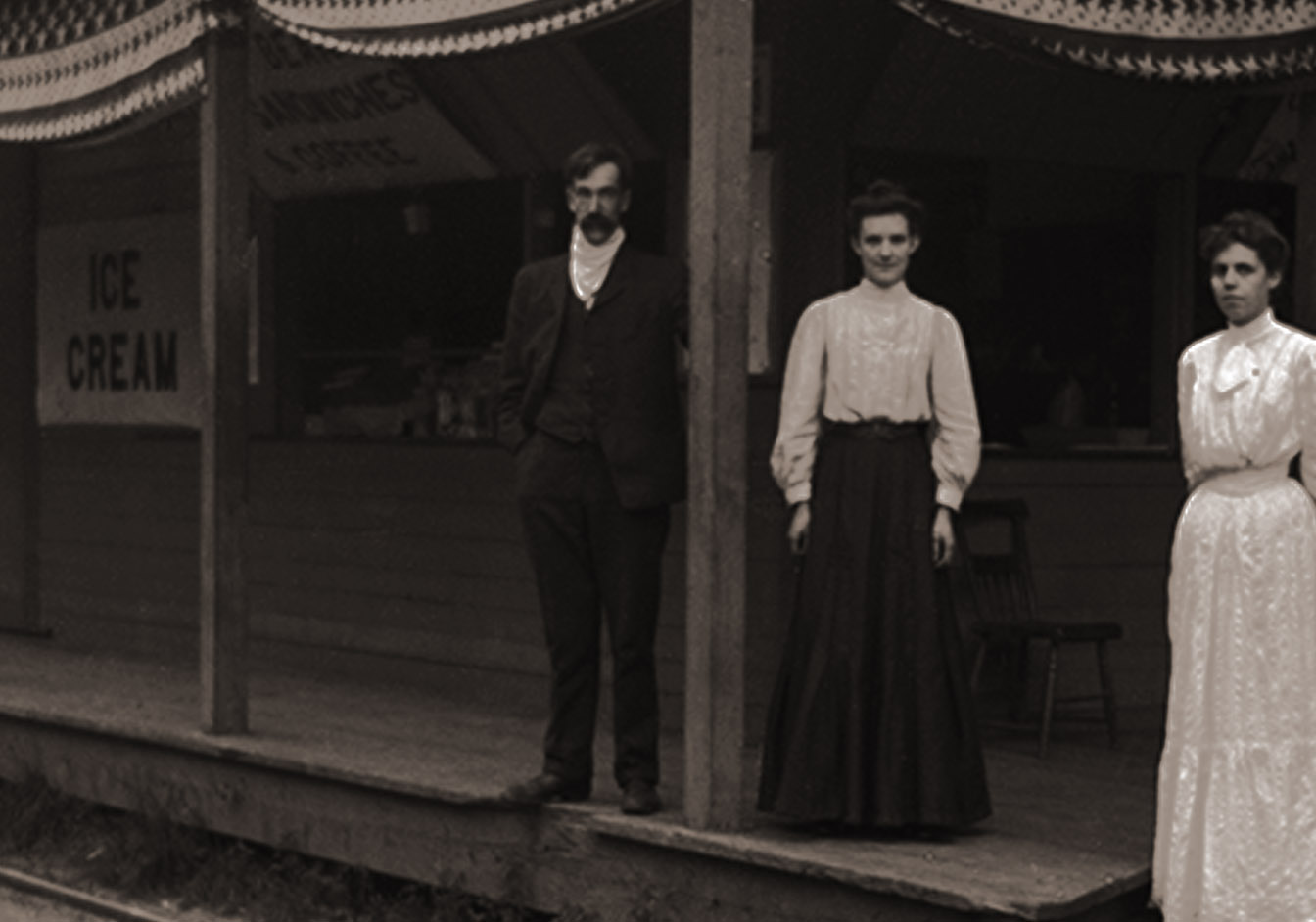
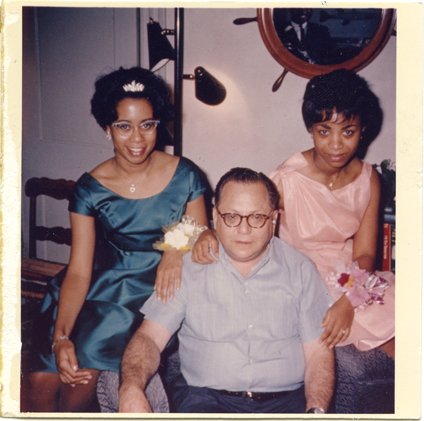
Depiction of Bernie Moss with two unidentified women in Moss's home, 1962
Bernie Moss with two unidentified women in Moss's home, 1962

A fixture of the Boston Jazz scene, Bernie Moss began taking photographs in the early 1960s, capturing musicians on stage and after hours in the clubs he frequented. Musicians that Moss would meet at Connelly’s, the Savoy Cafe, Lennie’s on the Turnpike, and later the Jazz Workshop, would often come to Moss’s apartment at 11 Queensberry Street where he would give them a place to stay and a meal. His generosity and love of the music and musicians was renown among the top artists of the era; inspiring Dexter Gordon to compose the song “Boston” Bernie Moss in his honor. Moss was born on Christmas day in 1908 and grew up in a Jewish household. He played trombone as a member of the Massachusetts National Guard 241st Coast Artillery Regiment from 1929 to approximately 1939 but spent the remainder of his life looking after the Boston apartment buildings he inherited from his father, known as the Moss Realty Co. According to Nat Hentoff in his memoir Boston Boy, “he took care that none of his tenants ever knew him as a landlord. His brother collected the rent, and the janitor received all the complaints about services. Bernie just showed up to talk about jazz.” Moss died on February 13th, 1988.

The Bernie Moss Photograph Collection primarily consists of Moss’s color photographs taken at Boston Jazz clubs in the 1960s and early 1970s. The photographs include musicians Alan Dawson, Roy Haynes, John Coltrane, Ben Webster, Dizzy Gillespie, Yusef Lateef, Herbie Hancock, Art Blakey, and many more. Moss’s amateur style brings life to some of the most important years of modern Jazz, showing Jazz greats at the height of their powers, often in informal settings. Many photographs were mounted and catalogued as part of a traveling exhibit curated by the Boston Jazz Society.

Subjects

Jazz musicians--Massachusetts--Boston--PhotographsJazz--Massachusetts--Boston--Photographs

Types of material

Color prints (photographs)
Pratt, Grace O'Neill

Grace O'Neill Pratt Scrapbooks

1935-2008
4 boxes, 7 vols.
Call no.: MS 821
Depiction of

Grace Eleanor (O’Neill) Pratt was born in Ware, Mass., in 1924. By the early 1940s, her father’s work brought his family to Greenfield, Mass., where Grace continues to reside.

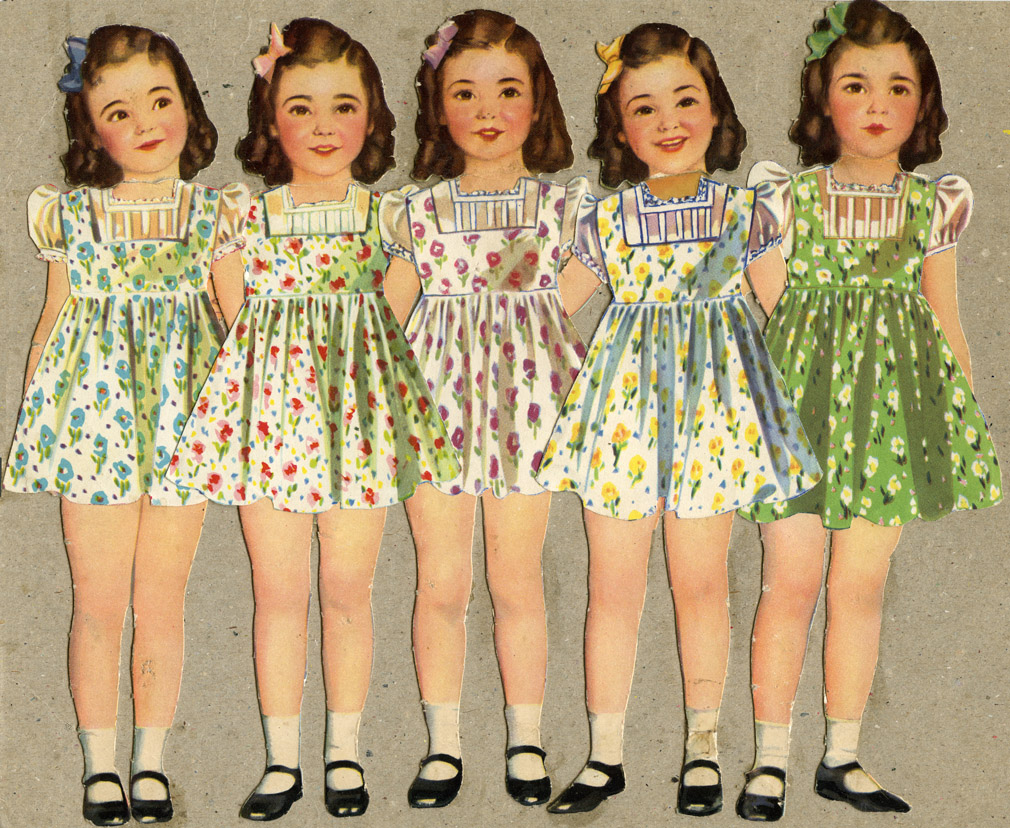
The Pratt Scrapbook Collection represents several decades of intense interest in unusual news-makers. Pratt’s primary interests included “unusual” marriages and loves, but centered on multiple births, sparked by her youthful fascination with the Dionne Quintuplets. Pratt also clipped accounts of the U.S. space program in its early years, stories on U.S. presidents and British royalty, and accounts of local Catholic church leaders. Clipped from newspapers, tabloids, and magazines, this collection captures Pratt’s fascination with popular culture and “other” lives as entertainment. Most of the items are clipped and tucked between scrapbook pages.

Gift of Ruth Allis, Apr. 2014

Subjects

Dionne QuintupletsMultiple birth

Types of material

Scrapbooks